You are here: Home | History

History

A brief history of St. Mary's Guildhall

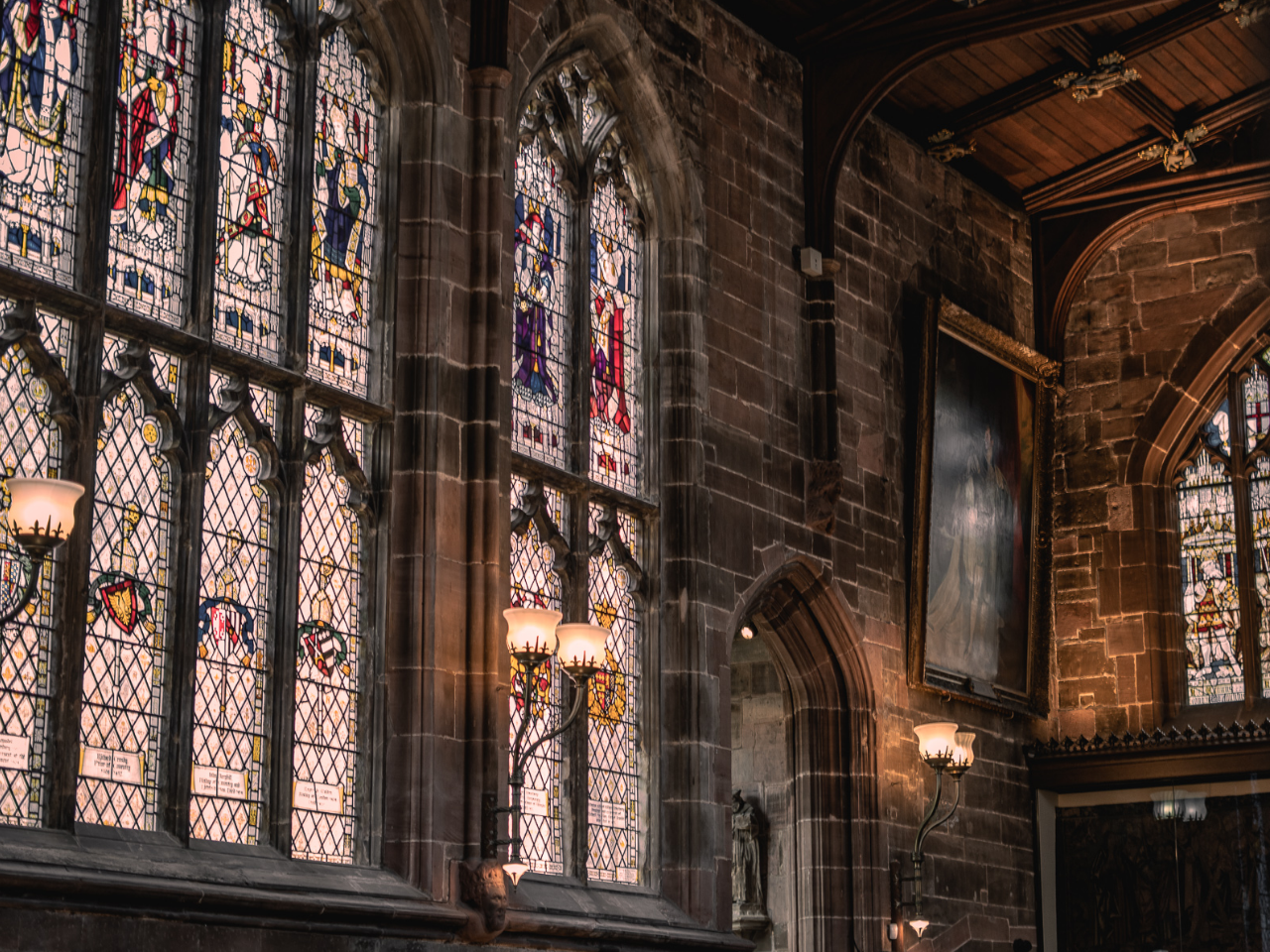
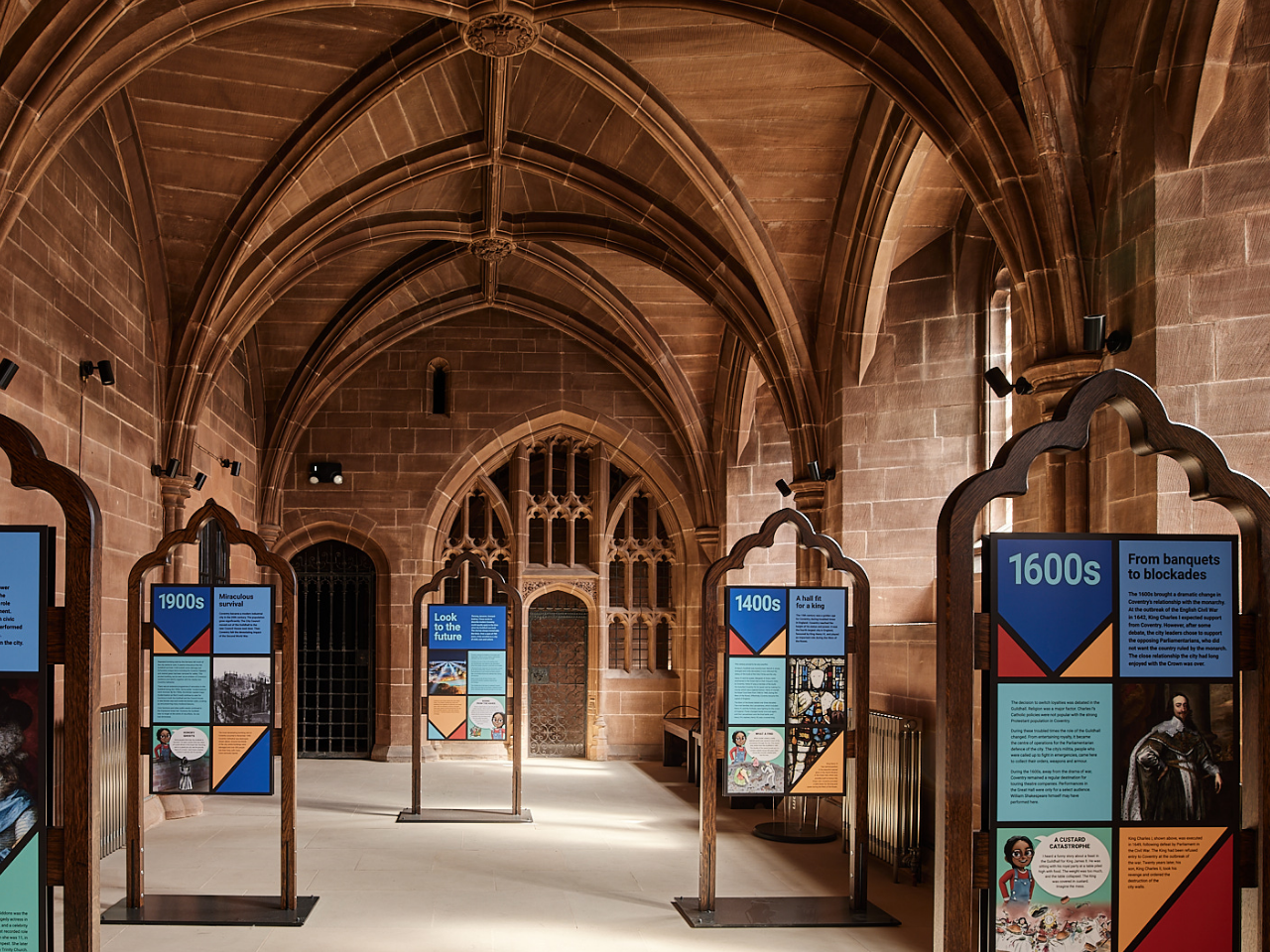
An atmospheric and architecturally stunning survivor of the medieval age, St. Mary's is considered to be the finest medieval guildhall in the country. Built on part of the site of the former Coventry castle, the Guildhall was started around 1340 for the guild of St. Mary, and completed by the time of the guild's first recorded meeting in 1342. The building grew in size and embellishment during subsequent decades, as Coventry's richest merchant guilds amalgamated, and selected the building as their common administrative and ceremonial base. By 1414, as home to the united guild of the Holy Trinity, the Guildhall had reached its present size.

Amongst the members of the guild of the Holy Trinity was Coventrian Richard Marler, the third wealthiest merchant in England , but a relative pauper compared with other guild members such as Kings Henry V, VI and VII, all of whom were entertained at the hall. Another noted member of the guild was Dick Whittington, three times mayor of London . One non-guild member, however, who had the rare pleasure of staying overnight at the hall was Mary Queen of Scots, who spent two months detained in the city of Coventry during the winter of 1569.

Later monarchs also visited the hall as guests of the guild and city leaders, including King James II, who was received at the hall with such a quantity of food that the monarch's table collapsed beneath the weight, showering him with Corporation Custard, a local delicacy.

Apart from meetings and banquets, the hall also functioned occasionally as a theatre, its size, acoustics and profile making it an ideal location. It is almost certain that Shakespeare came to the city as a player on a number of occasions, and is believed to have performed at the Guildhall, whilst in the late eighteenth and early nineteenth century the famed actress Sarah Siddons performed here frequently.

From the mid fourteenth century onwards, the hall's secondary use was as a Council House, with Coventry 's first mayor, John Ward, being created in the Guildhall in 1349. This annual ceremony of 'mayor making' continued practically uninterrupted in the hall until 2002, when growing attendance required it to be moved to the larger space of the new Cathedral.

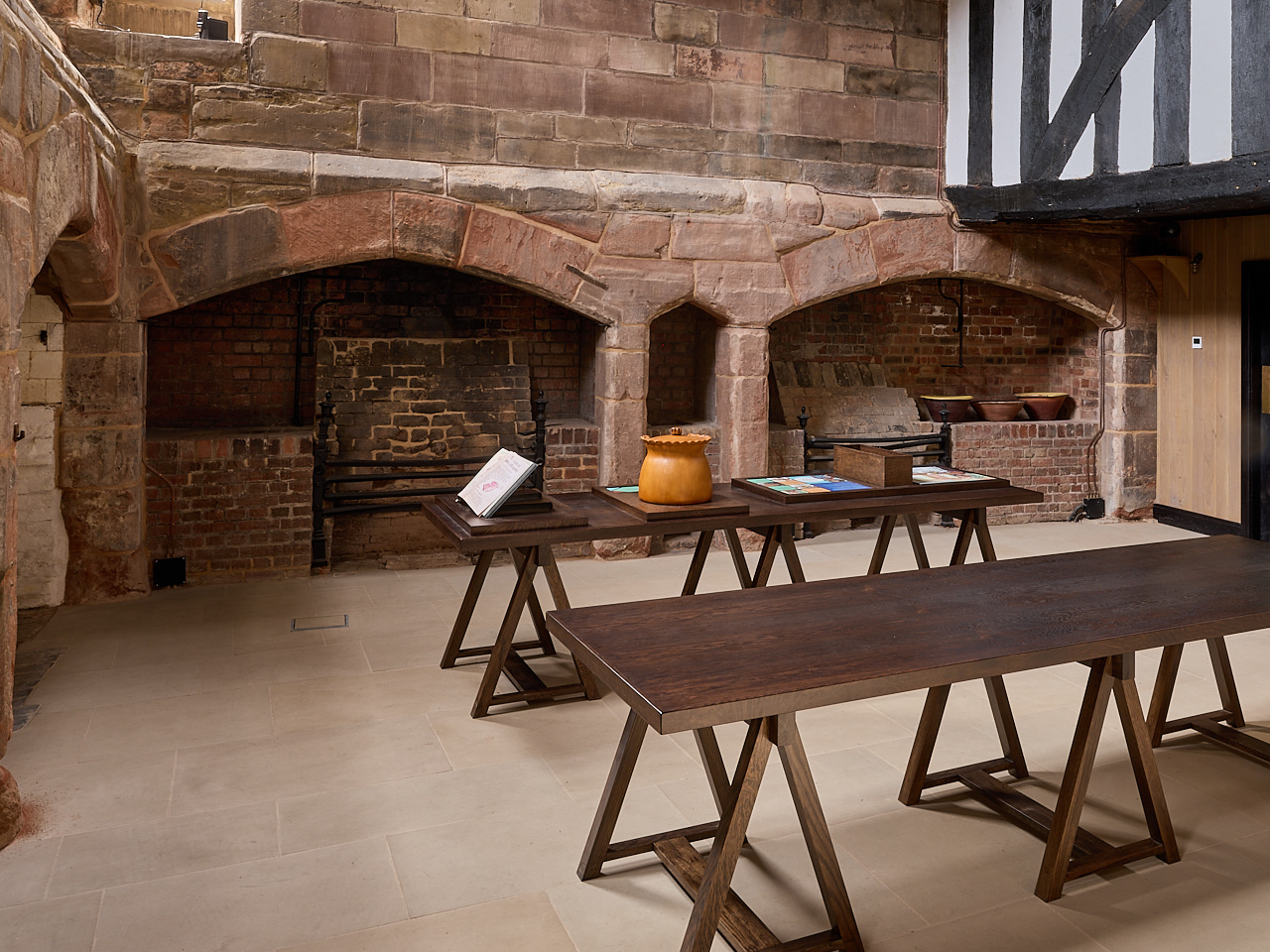
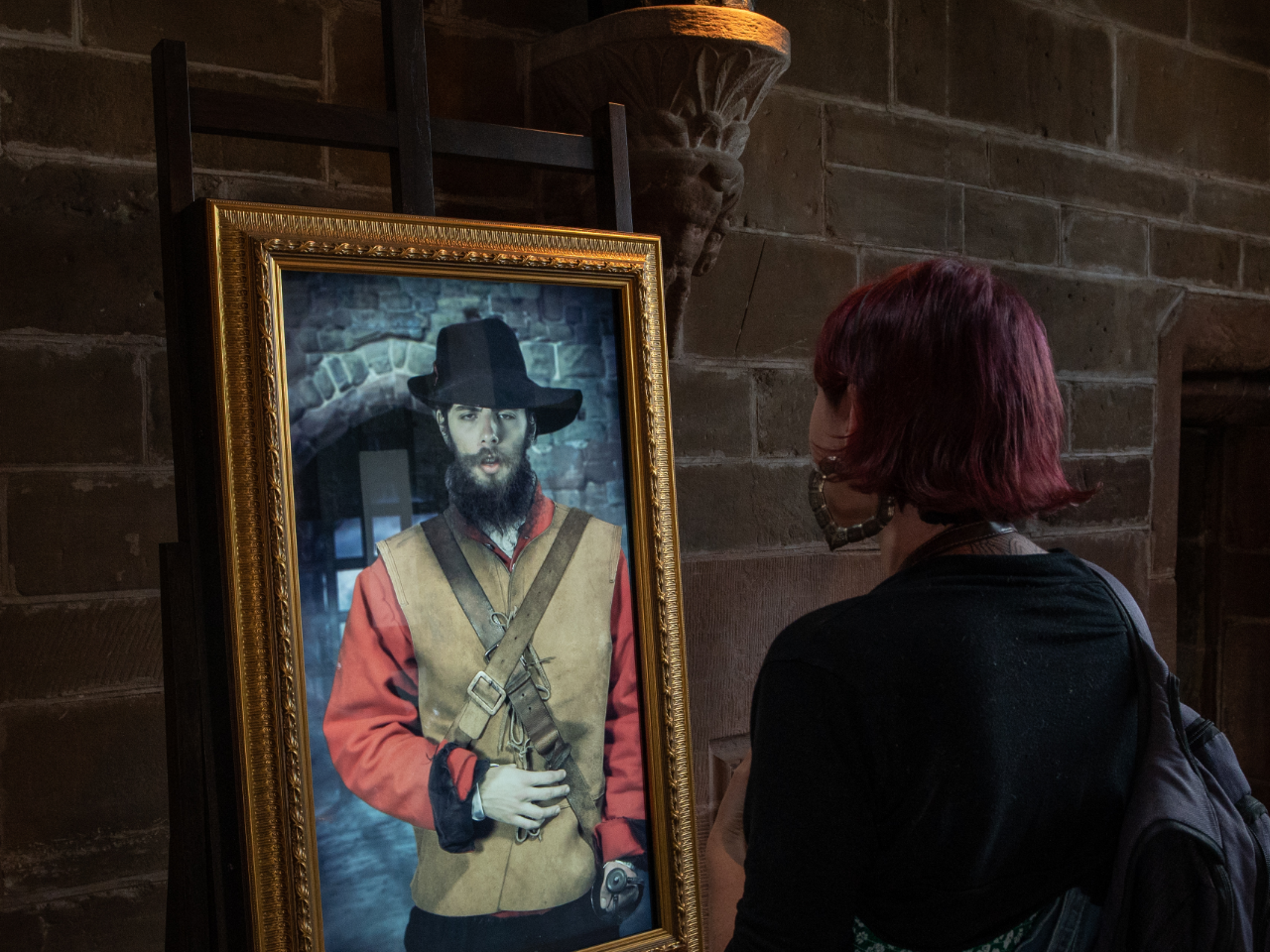
After the guilds were dissolved in 1552, the hall continued to be used as a council house up until the late nineteenth century, when council business moved to new buildings. In this time, the building served the council in a number of unusual ways, including as an Armoury during the English Civil War, and even as a soup kitchen for starving weavers in the nineteenth century.

Miraculously the Guildhall largely survived the devastation of the Blitz, and continues its role as the primary venue for prestigious civic functions, whilst also welcoming visitors from around the world, and hosting weddings and celebrations for the people of Coventry and beyond.

Highlights of the Guildhall

We have included just a few highlights from more than 650 years of the Guildhall's history, through its collections, architectural features and famous visitors. Follow the page links to find out more.

If you want to know more, please use the contact details provided, or complete our online form.